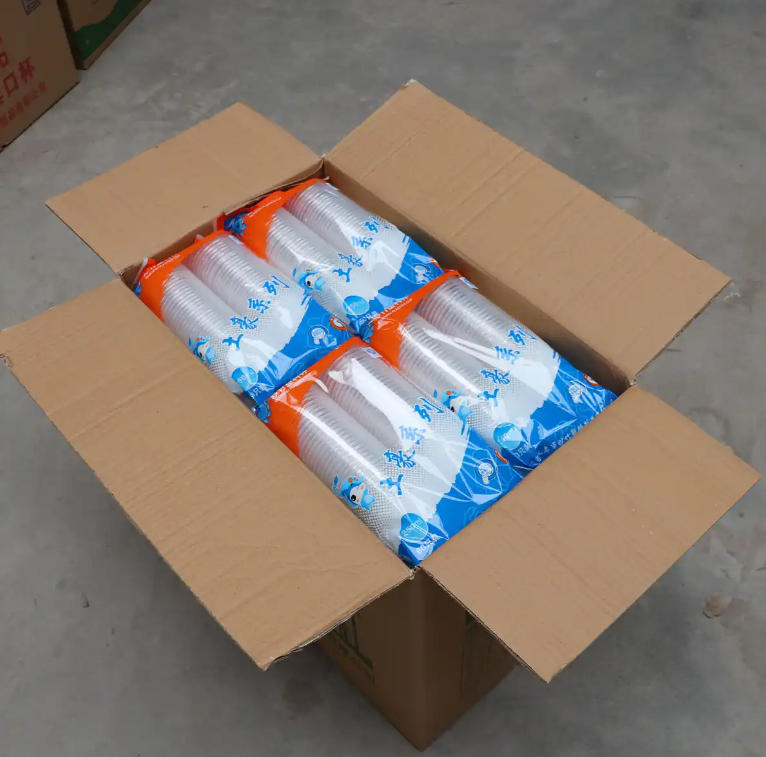
PP sheet material character
PP sheet material character
PP is a very versatile and popular plastic material, with its sheets playing a significant role in the thermoforming industry.
It has very distinct characteristics, possessing both outstanding advantages and some disadvantages that require attention.
The following is a comprehensive summary of the characteristics of PP sheet molding:
I. Core Advantages
* **Excellent Food Safety
**Non-toxic and Odorless:** Food-grade PP is ideal for making food containers (such as microwave-safe lunch boxes, yogurt
cups, and fruit trays) without contaminating food.
**Compliant with Standards:** Generally meets stringent food safety standards such as Chinese GB, US FDA, and EU.
**Excellent Chemical and Oil Resistance**
It exhibits excellent resistance to most acids, alkalis, alcohols, and oils, without being corroded or deformed. This makes it ideal for
packaging oily foods (such as fast food and cooked meals).
**High Temperature Resistance (Outstanding Advantage)**
**High Heat Resistance:** PP has a melting point above 160℃, and its products can typically withstand temperatures above 100℃.
**Microwaveable:** This is an extremely important advantage of PP sheets. Containers made from it can be microwaved, providing
great convenience for modern life.
High Transparency and Good Gloss
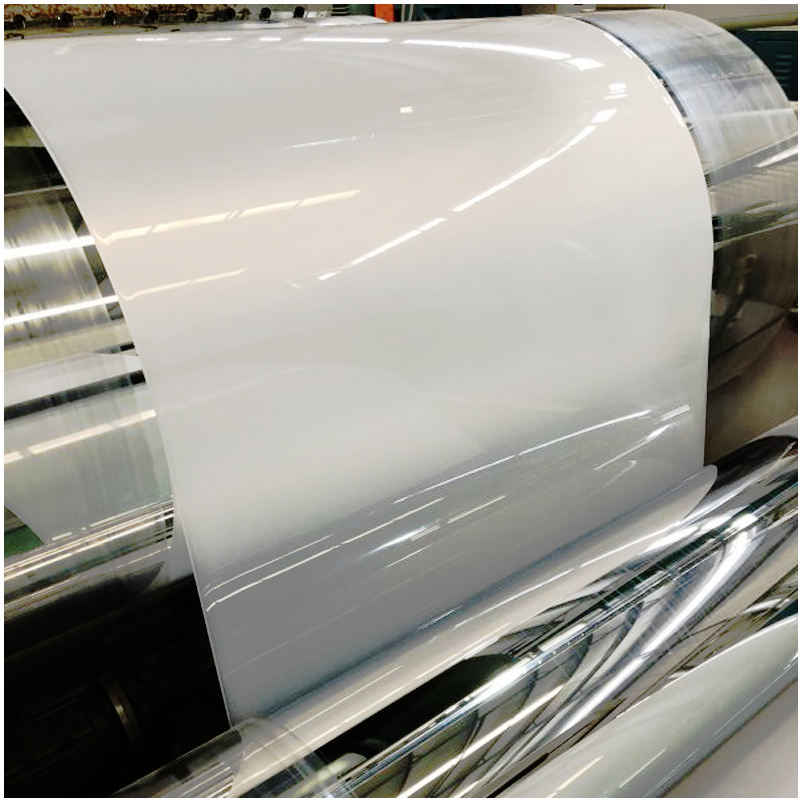
Through advanced co-extrusion technology, high-transparency PP sheets can be produced, with a crystal-clear appearance and excellent
display effect, comparable to the transparency of glass, PET, and PS.
Good Mechanical Properties and "Frostbite" Characteristic
Good Flexibility: PP has a certain degree of toughness and impact resistance, making it less prone to breakage.
Living Hinge Effect: PP is one of the few plastics that can be made into "living hinges" (such as the joints of medicine bottle caps), capable of
withstanding countless bends without breaking. However, on thermoformed boxes, a whitening phenomenon (frostbite) may appear at the bending
points; this is a characteristic and not a quality issue.
Environmentally Friendly and Recyclable
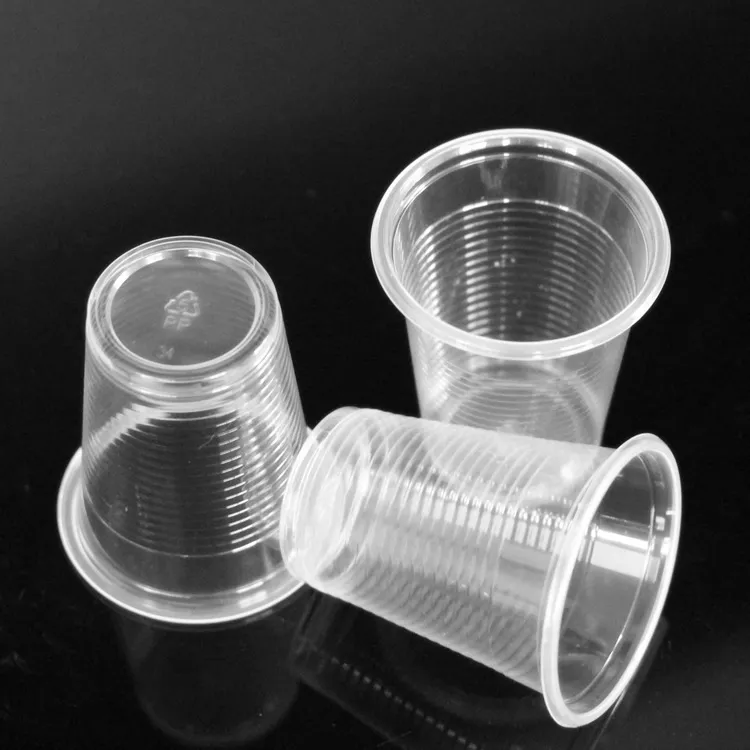
Recyclable: PP material is simple, easy to identify and recycle, and the recycling symbol is number 5.
Degradable Options: By adding biodegradable masterbatch, biodegradable PP sheets can be produced, making it more environmentally friendly.
II. Main Disadvantages and Challenges
Low-Temperature Brittleness
In low-temperature environments (usually below 0℃), PP's toughness decreases significantly, becoming brittle and reducing its impact resistance.
Therefore, it is unsuitable for packaging requiring freezing (unless it is a PP with a specific cold-resistant formulation).
Susceptible to Oxidation and Photoaging
PP has poor weather resistance and is prone to aging, yellowing, and brittleness upon prolonged exposure to UV light or air. Therefore, PP products
used outdoors typically require the addition of UV stabilizers.
Surface Treatment Required Before Printing and Bonding
PP has low surface energy and high inertness, making it difficult for ink and adhesives to adhere. Before printing or bonding, corona treatment or flame
treatment is necessary to increase its surface tension.
High Molding Shrinkage
PP has a higher molding shrinkage rate than materials such as PET and PS, and the shrinkage rate differs in the flow direction and perpendicular direction
(anisotropy). This places high demands on the precision of mold design; otherwise, product warping and deformation are likely.
III. Processing Characteristics (Thermoforming Angle)
Molding Temperature: Wide range, typically between 160℃ and 180℃.
Thermal stability: Good, but prolonged exposure to high temperatures may cause degradation.
Cooling and shaping: Cooling rate is relatively slow, which may affect production cycle.
Sheet type: Mainly homopolymer PP and copolymer PP. Copolymer PP has better impact toughness and is more commonly used for thermoforming.