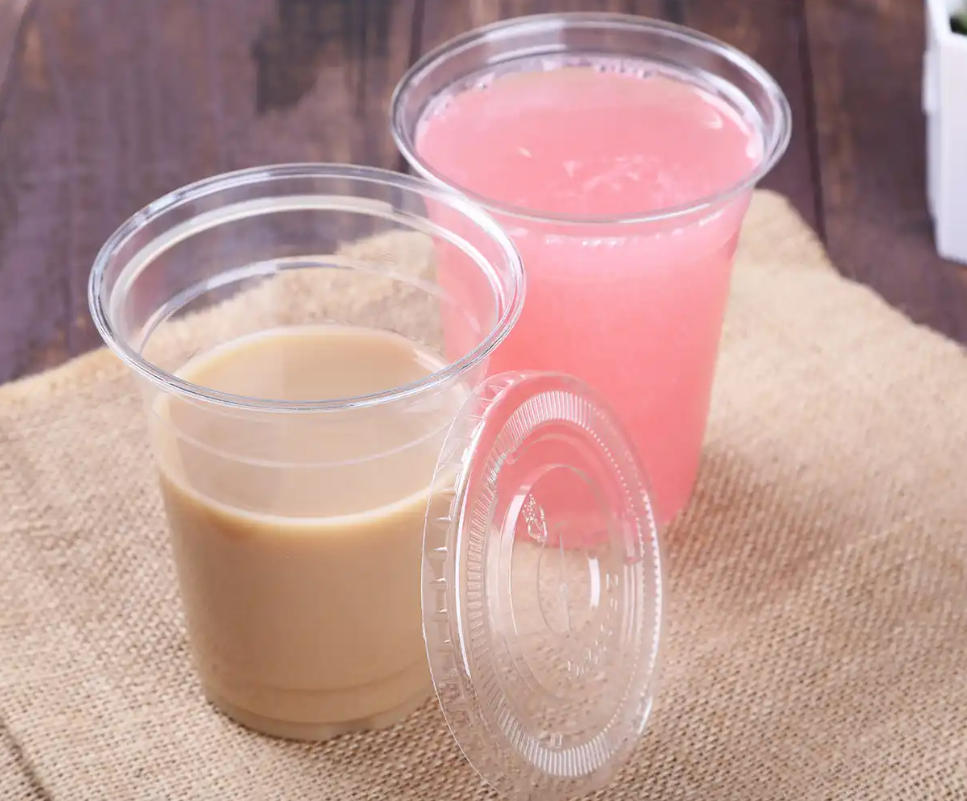
Characteristics of PS Material
I. Overview of Core Characteristics
Excellent Optical Properties: Virgin general-purpose PS (GPPS) has extremely high transparency (light transmittance can reach over 90%)
and good surface gloss,resembling glass in appearance, and is often used in packaging where contents need to be displayed.
Rigid and Brittle: PS is hard and rigid, but extremely brittle, easily cracking and breaking under stress, producing a clear metallic sound
when struck. This is its most significant drawback.
Excellent Processing Performance: PS has good melt flowability, is easy to injection mold and extrusion molded, has a wide processing
temperature range, and a short molding cycle, making it very suitable for mass production.
Low Cost: As a bulk petrochemical product, PS raw materials are relatively inexpensive, making it a cost-effective choice.
Good Electrical Insulation: It has good dielectric properties, suitable for insulating components such as electrical appliance housings and sockets.
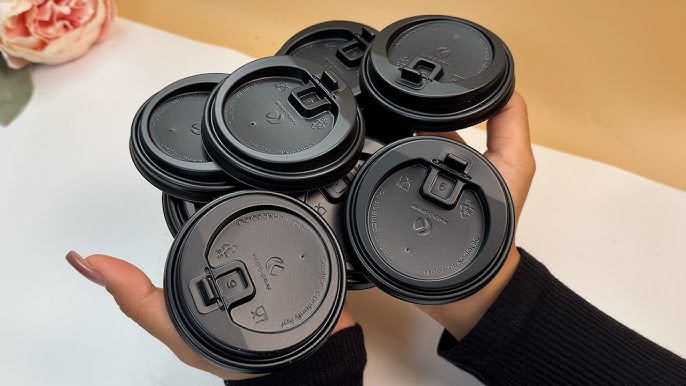
II. Processing and Application Characteristics
Molding Process: Very suitable for injection molding and extrusion foaming. It also has applications in thermoforming (such as HIPS in yogurt cups),
but due to its brittleness, high requirements are placed on process control.
Secondary processing: Easy to print, bond, and electroplate.
Food safety: Food-grade GPPS and HIPS are widely used in disposable tableware, cups, yogurt containers, etc. However, their oil resistance is generally
poor, and they are not suitable for storing oily foods for extended periods.
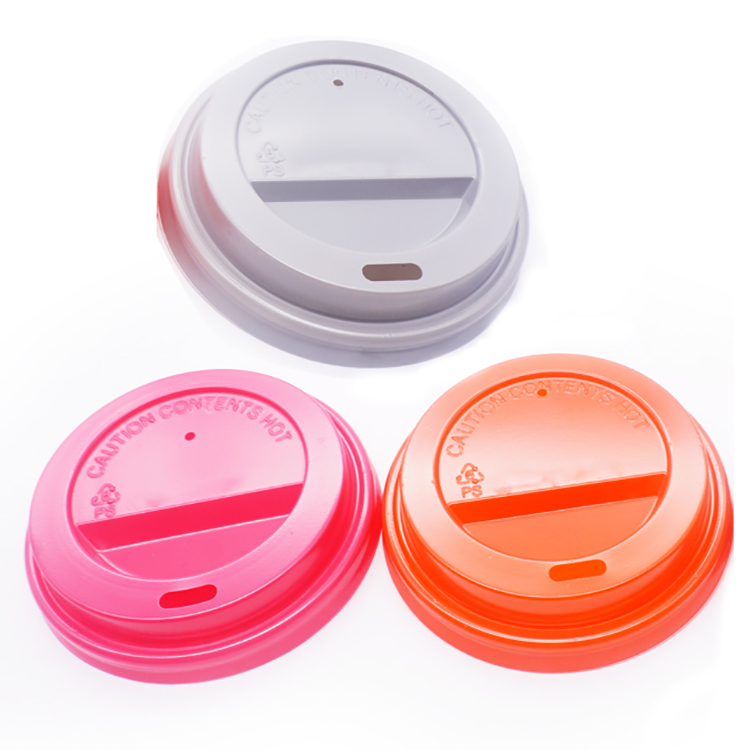
III. Environmental protection and disadvantages
Disadvantages:
High brittleness: This is the biggest limitation of PS.
Poor heat resistance: The continuous use temperature is generally 60-80℃. It easily softens and deforms at high temperatures and cannot be microwaved.
Moderate chemical resistance: Easily corroded by organic solvents (such as gasoline and acetone), leading to cracking or dissolution.
Flammable: When burning, the flame is yellow, produces thick black smoke, and emits the characteristic odor of styrene monomer.