Why are molds for products with side holes expensive
Why are molds for products with side holes expensive, and why do they require high-performance machines?
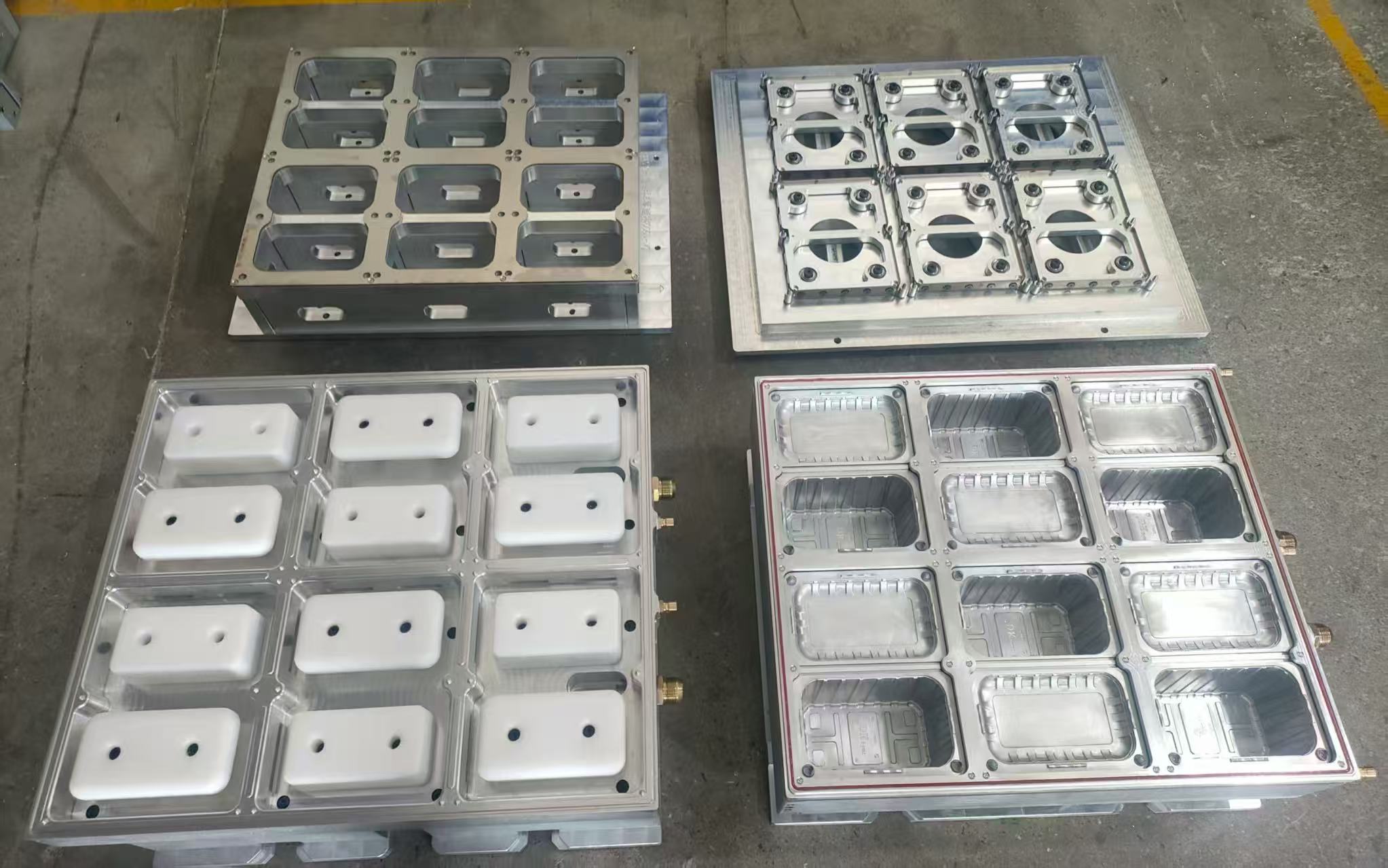
The reason why molds for products with side holes are expensive and require sophisticated machinery is primarily due to the transformation of the mold structure from a simple "top-and-bottom opening and closing" mechanism to a complex "three-dimensional movement" mechanism, which places stringent demands on precise control of the production process.
The increased structural complexity and number of parts mean the mold is no longer just "two pieces of iron." To form side holes or grooves, a "lateral core-pulling mechanism" must be added. The most common types are:
Slider (sliding element): Driven by a slanted guide post or hydraulic cylinder, it achieves lateral extraction.
Angled ejector: While ejecting the product, it achieves lateral demolding through an angle.
These mechanisms themselves require precise design, machining, heat treatment, and assembly.
Design and machining difficulty skyrocket.
Design: It requires consideration of core-pulling distance, locking angle, motion interference, cooling water channel layout, etc., resulting in complex calculations.
Machining: The mating surfaces of the slider and angled ejector (through holes, insertion points) require extremely high machining precision (typically reaching the micron level) and the use of high-quality steel and special heat treatment; otherwise, they are prone to wear, leading to burrs on the product.
High lifespan and maintenance costs: Moving parts experience frequent friction under high temperature and pressure, making them consumable parts of the mold. Regular maintenance or replacement is required, increasing long-term operating costs.
In short: drilling side holes transforms a simple two-dimensional problem into a complex three-dimensional one.
Expensive molds: Costs lie in design, precision machining, and complex assembly.
High machine requirements: Higher clamping force, more precise control, and greater rigidity are needed to operate this complex mold.