Why Cups Can not Be Made on Multi-Station Thermoforming Machines
Why Cups Can't Be Made on Multi-Station Thermoforming Machines
1. Product Structure: Deep Drawing vs. Shallow Drawing
Cups: A product with a high aspect ratio (large height/diameter ratio), requiring a flat sheet of material to be drawn very deep. This necessitates a huge draw ratio and precise draw control.
Multi-station thermoforming machines: More suitable for producing shallow-drawn products, such as:
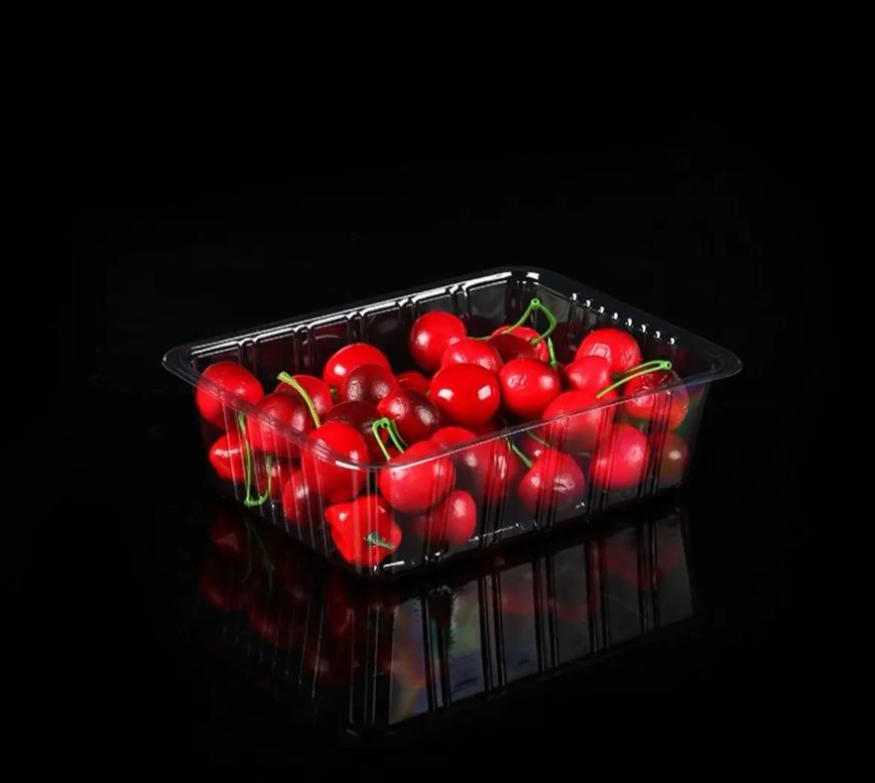
Food containers: Fast food boxes, fruit trays, cake boxes
Inner trays: Electronic product liners, industrial packaging
Cup lids, saucers, etc.
These products share the characteristic of shallow depth, short sheet movement distance within the mold, and relatively simple deformation.
2. Forming Process: Pre-stretching and Degassing
Cup forming: Pre-stretching is required first using a male die (punch) or plunger to initially draw a deep indentation in the sheet, followed by high-pressure air blow molding to make it adhere tightly to the mold wall. This process demands extremely precise timing, speed, and depth of pre-stretching.
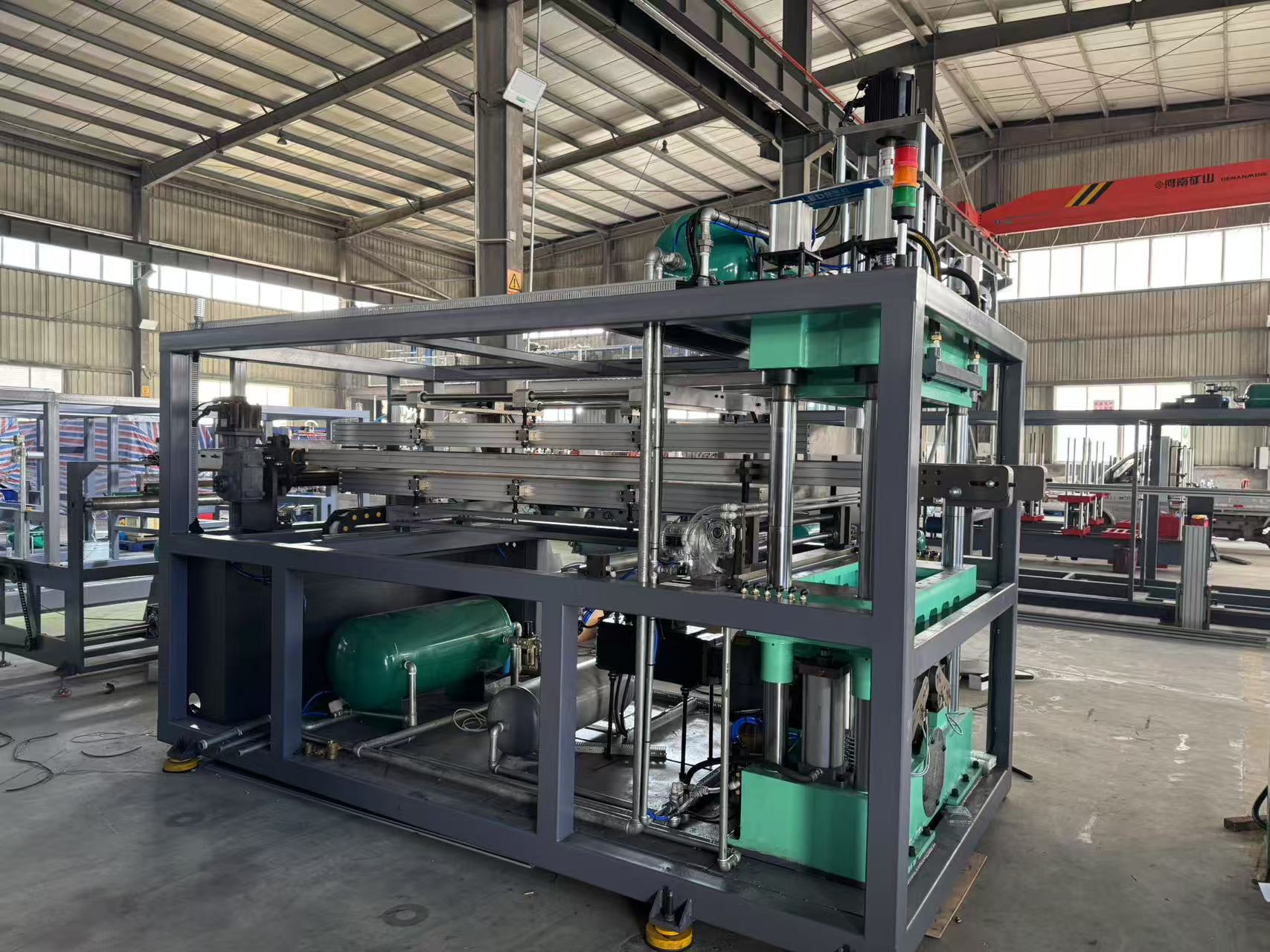
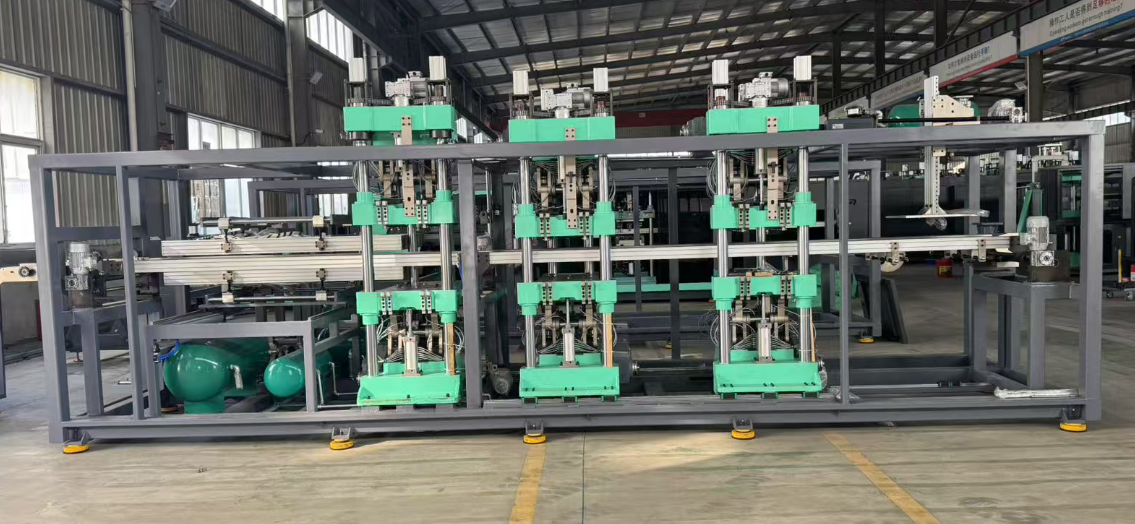
Limitations of Multi-Station Machines: Achieving such complex and deep pre-stretching on a multi-station machine is very difficult. Rapid transfer between workstations limits the design space for complex stretching mechanisms. Meanwhile, venting deep-cavity molds is a major challenge, easily leading to incomplete product forming (material shortage) or uneven cooling.

3. Material Distribution and Thickness Control
Core Issue: When deep-drawing a cup, the rim and corners of the bottom are the most prone to thinning. Improper stretching processes can result in insufficient strength in these areas, making them prone to breakage.
Disadvantages of Multi-Station Machines: Their rapid, continuous production characteristics mean they lack the precise, independent control of each workstation compared to dedicated machines. It's difficult to optimize heating, pre-stretching, and cooling parameters for deep-drawn cups, resulting in extremely uneven cup wall thickness and low yield.
4. Production Efficiency and Cost: Not Worth the Investment
Mold Cost: Developing a deep-drawing mold capable of producing qualified cups for a multi-station machine is technically challenging and extremely costly.
Production Efficiency: Even if it were possible, the entire production line's operating speed (chain speed) must be significantly reduced to accommodate deep-drawing of cups; otherwise, the material will tear before it can be fully stretched. This contradicts the original intention of multi-station thermoforming machines to pursue high speed.
Land area and investment: A multi-station thermoforming machine is a large piece of equipment with a huge investment. Using it to produce cups, its output and profit per unit time are far less than using it to produce thousands of fast food containers.